

GALERA · Archaeology
Cerro del Real: the town that brought Tútugi to life
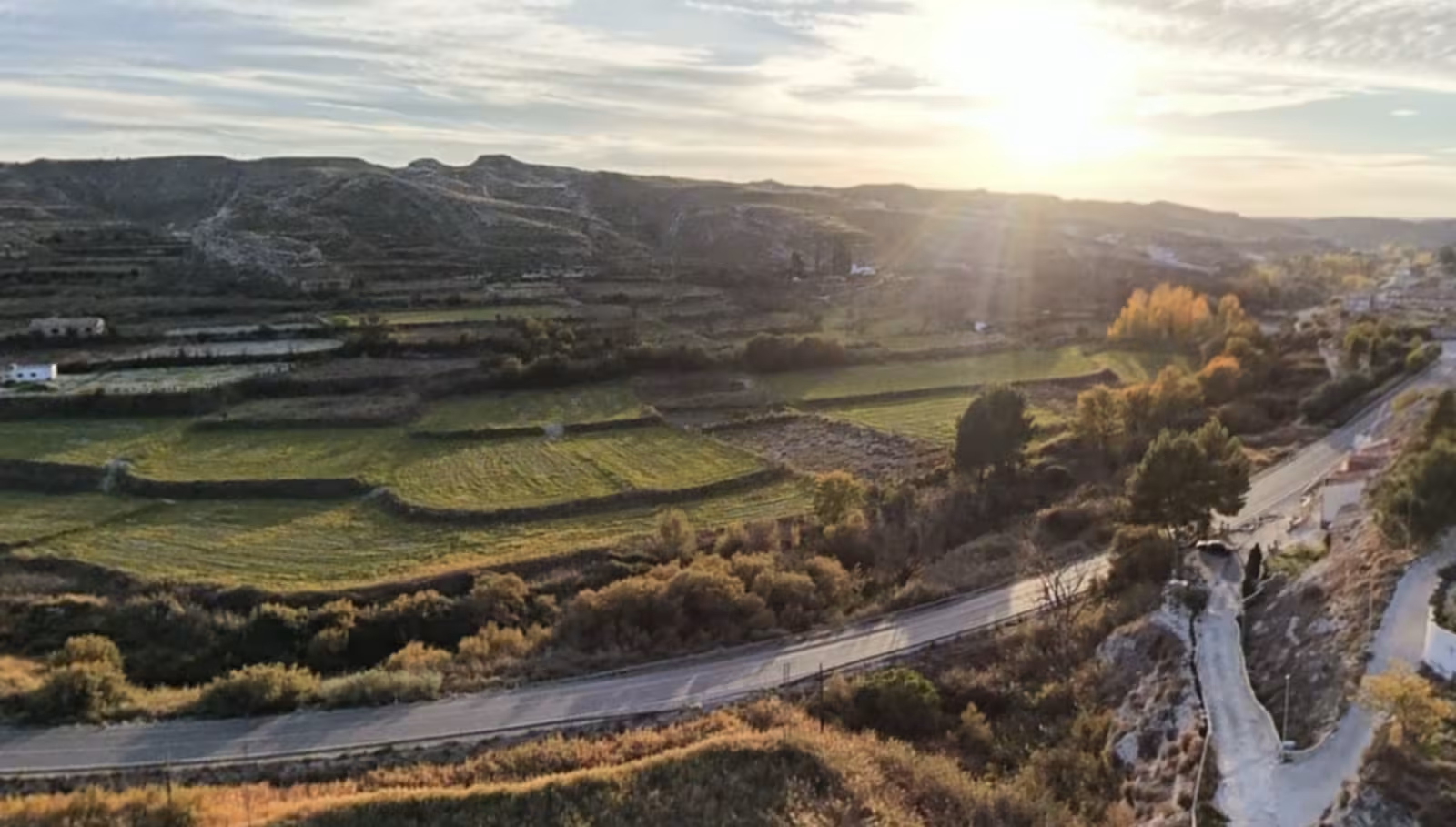
To discover Galera’s ancient past, look beyond its monumental tombs. There was also a place of homes, encounters and everyday work: Cerro del Real, the site of ancient Tútugi. Where archaeologists now seek answers, successive generations built their homes and changed the way they inhabited the land. Its story completes a landscape in which daily life, beliefs and the memory of the dead were closely connected.
A key to understanding Galera
Cerro del Real matters because of the successive phases of occupation it preserves. Excavations in 1962 and 1963 identified a sequence extending from the Late Bronze Age to Roman times. This is not a single town frozen in time, but a place that changed with its inhabitants. Each phase helps explain the journey from the settlement’s early communities to an Iberian town and, later, a population living under Roman rule.
Reading that history means looking at the landscape differently: asking where people lived, how they arranged their surroundings and what connected the communities sharing this territory. The hill gives context to the museum’s objects and to the tombs we now associate with Tútugi.
Before the town: Late Bronze Age huts
Among the earliest traces in this sequence are Late Bronze Age huts. Their remains bring us closer to the domestic world that preceded the Iberian town. Compared with the grandeur of other archaeological monuments, their appeal lies in revealing the spaces where the settlement’s early communities lived.
A floor, a wall or the remains of a hearth may look modest, yet they raise important questions about shared life, building techniques and changing ways of inhabiting a place. This depth of time makes Cerro del Real an especially valuable part of Galera’s heritage.
Tútugi: the settlement and its necropolis
During the Iberian period, the settlement developed into the town of Tútugi. Two complementary places help explain its history: the settlement at Cerro del Real, where its inhabitants lived, and the necropolis, where they buried their dead. They share a history, but they are separate archaeological sites.
The tombs reveal rituals and the ways a community remembered its dead. The settlement brings us closer to those same people during their lives. Learning about both helps build a fuller picture of a society beyond its most celebrated discoveries.
The sanctuary at Cerro del Castillo
Tútugi’s landscape also includes a place of worship: the sanctuary at Cerro del Castillo, south of the settlement. This is a different location from Cerro del Real. Its relationship with the town opens another chapter, exploring the beliefs and ritual practices of the Iberian community.
Settlement, necropolis and sanctuary offer three perspectives on the same culture: everyday life, farewell to the dead and encounters with the sacred. Understanding the relationship between these places is one of the keys to appreciating Galera’s archaeological richness.
Roman traces and questions still open
Occupation continued during the Roman period. Inscriptions preserved in Galera Museum help illuminate this chapter, while archaeological research examines how the settlement changed. Excavations in 2022 and 2023 documented an entrance and a neighbourhood outside the town’s walls, alongside temple remains on the upper part of the hill: further pieces in the story of Rome’s presence in the ancient town.
The later history is not fully settled either. The source documentation mentions remains attributed to a possible Visigothic church; that identification requires archaeological confirmation. Keeping this question open allows the past to be told without presenting an attribution as an established fact.
A name recalling the siege of 1570
The hill’s present name recalls another episode in Galera’s history: the camp of Don John of Austria during the siege of 1570. A place associated with ancient Tútugi thus also became linked to a much later event. Landscapes hold stories from different periods, and their names can help reveal them.
Continue discovering ancient Tútugi
Cerro del Real is presented here for interpretation and is not one of the accessible visitor sites on the itinerary. Continue the story at Galera Archaeological Museum and the Iberian necropolis of Tútugi, checking their visiting arrangements. Understanding where this population lived gives fresh meaning to its objects, its tombs and the landscape that connects them.